governments are the primary duty bearer
Recognizing that governments are the primary duty bearer, we support governments to uphold their duties, including through teacher professional development and the construction or rehabilitation of schools.

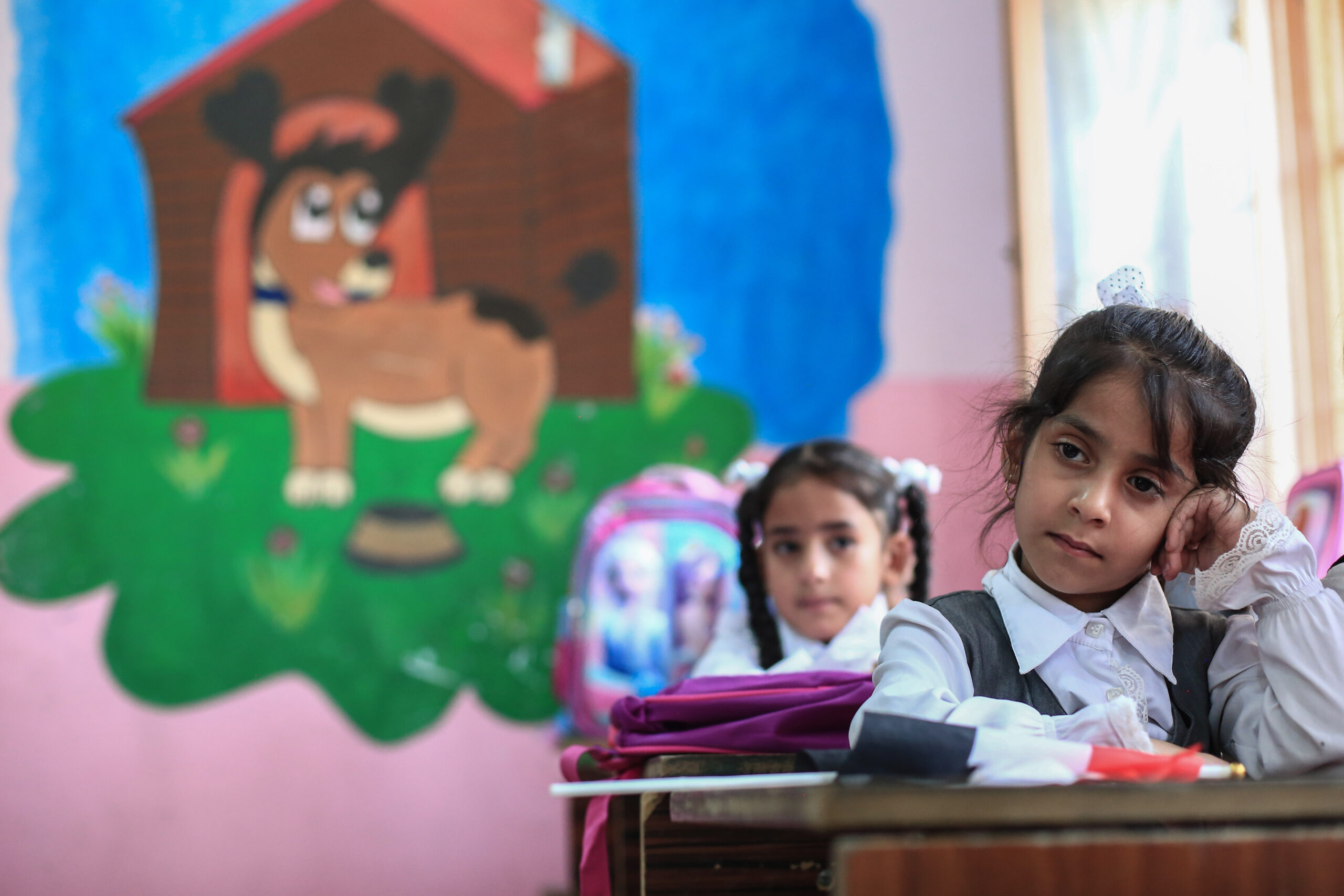
We aim to ensure that all children and youth enjoy quality education that is relevant to their psychosocial, emotional, and cognitive development. from the start of emergencies, Displaced children and youth are highly marginalised in accessing quality education.
Green Imprint Organization provides opportunities for school-aged children (between six and 18 years old) to complete a full cycle of basic education. We have a particular focus on those who are out of school or have had their education interrupted.
Young women and men are provided with opportunities for post-primary education, including technical and vocational education and training, agricultural training, and tertiary educational opportunities. We only provide early childhood care where it supports access to, and retention in, Green Imprint Organization’s programs.
We promote and support the inclusion of IDP and returnees children and youth into formal education systems, so they can benefit from an accredited education that allows them to progress through all levels of the education system.
Bringing quality education to everyone, regardless of background, by providing accessible and comprehensive education services for all individuals. Our education activities primarily focus on four thematic areas:
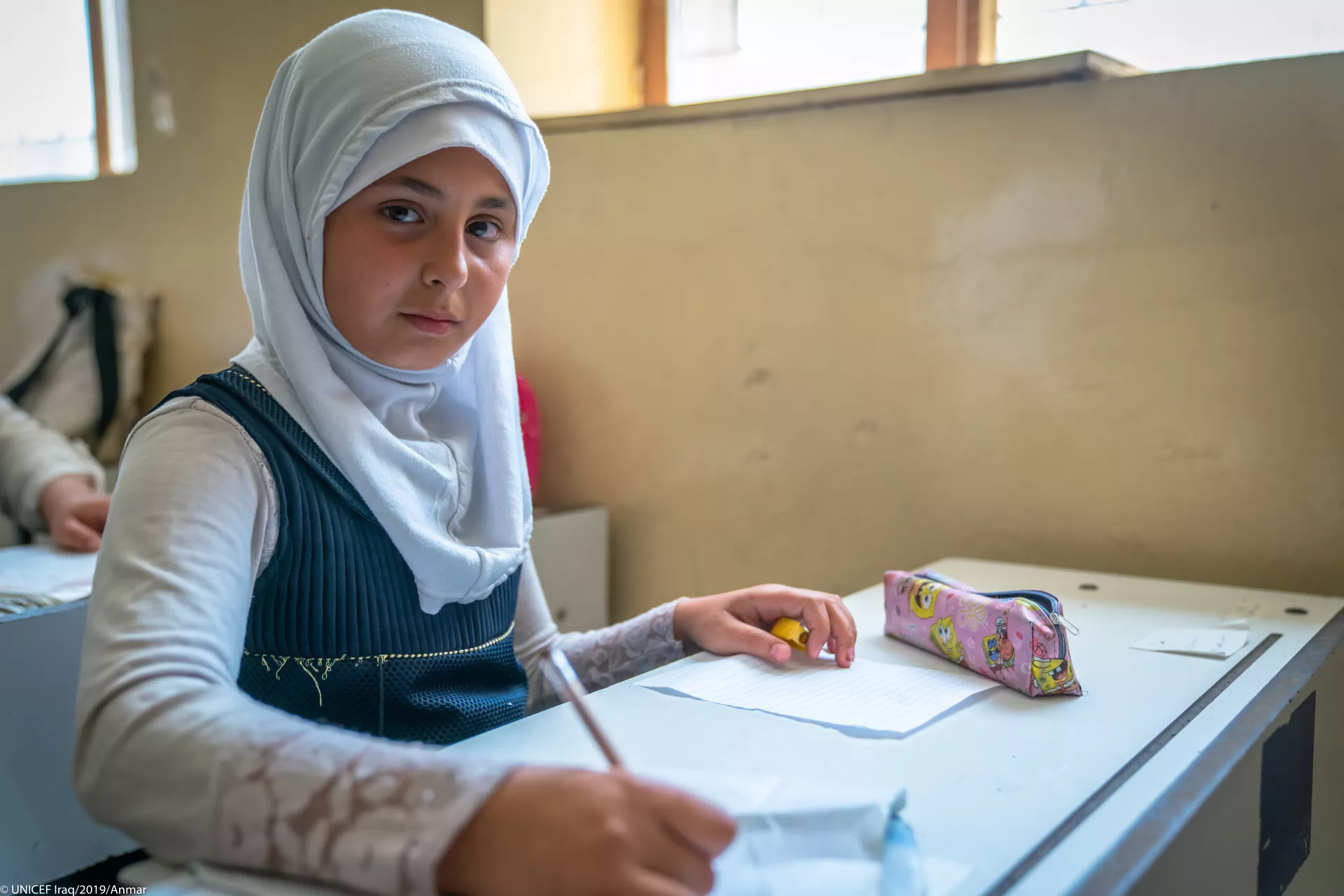
Recognizing that governments are the primary duty bearer, we support governments to uphold their duties, including through teacher professional development and the construction or rehabilitation of schools.
We use our evidence base to promote policy dialogue and change. Teachers are key to the achievement of quality education. They should receive adequate training, follow-up, and compensation.
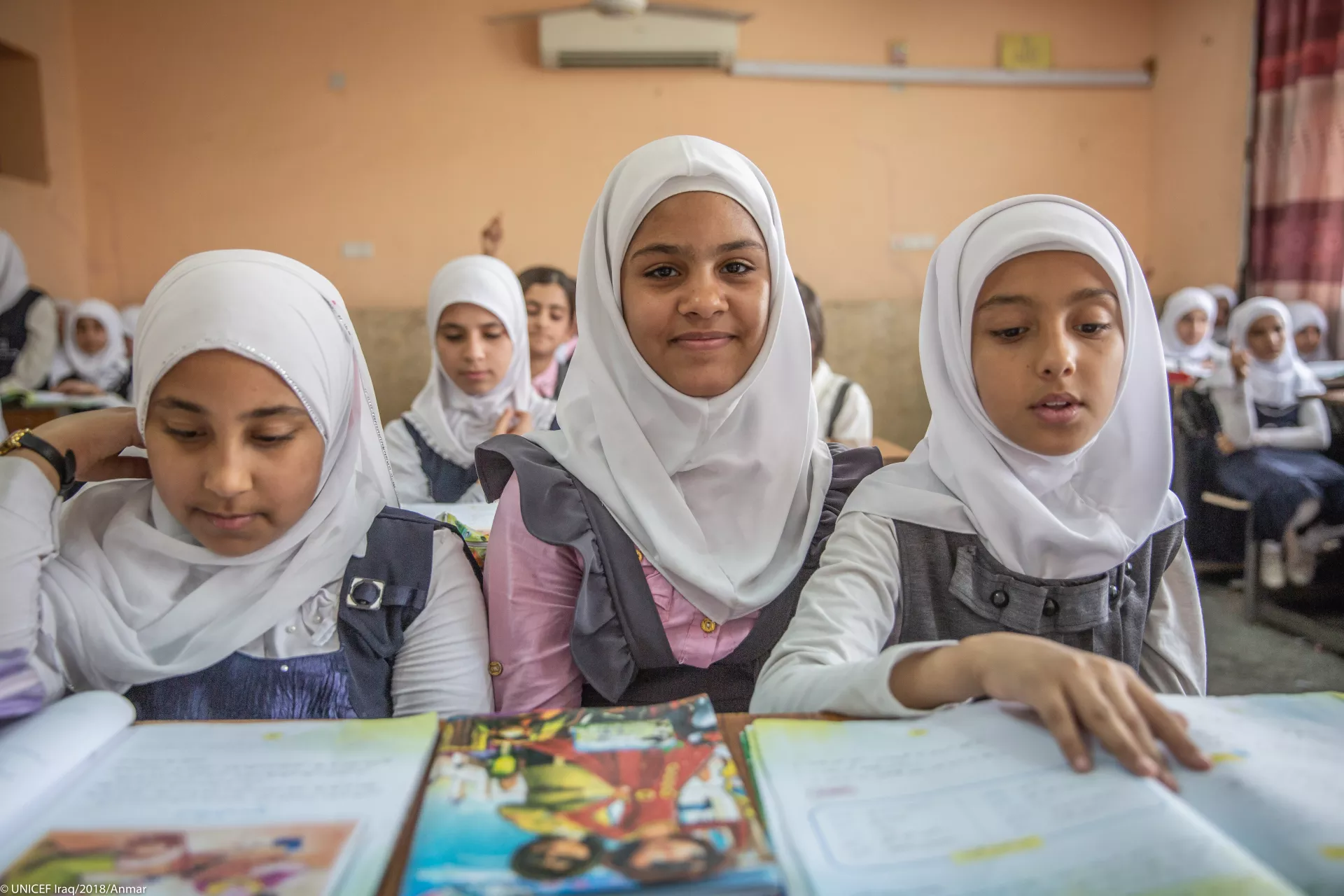
As not all children and youth are able to participate in formal education, we provide flexible, and, if possible, accredited alternative (non-formal) learning opportunities that enable out-of-school children and youth to fully benefit from education. For youth, in particular, a non-formal education should allow learners to develop the necessary skills, knowledge, and attitudes that will allow them to find livelihood opportunities.
Copyright © 2026 All Rights Reserved.